

What is an OCT scan?
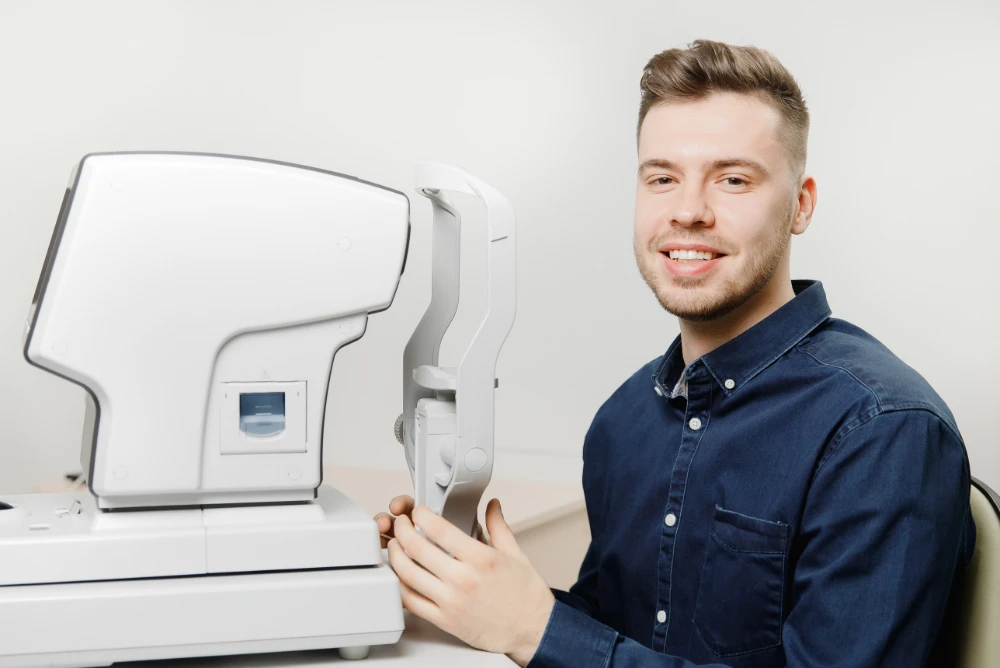
It stands for Optical Coherence Tomography. It’s a quick, pain-free, 10-15 minute test that looks at your eyes in more depth and provides your eyecare professional with valuable eye health diagnostics.
These scans are booked in advance and can be completed just after your normal eye test by one of our team. Our optometrist will then check the results using their skills and experience, to identify any abnormalities or areas of concern.
What conditions can an OCT scan uncover?
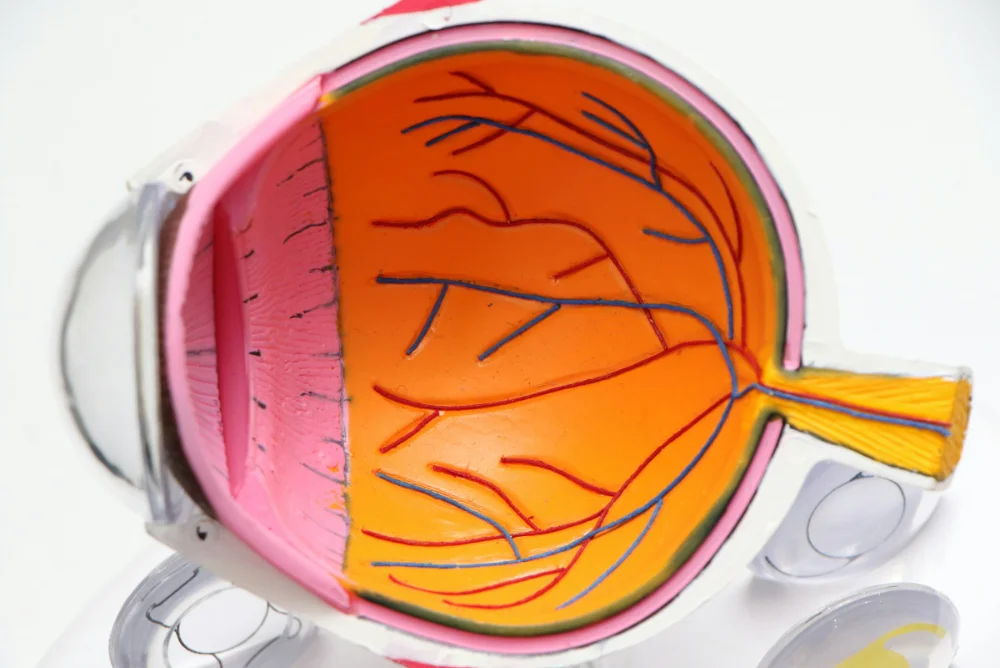
These conditions can cause a range of uncomfortable symptoms such as blurred, cloudy, wavy or distorted vision along with headaches and nausea. Some can affect partial loss of vision or even blindness, if not treated as early as possible. Below are a few examples.
- Macular hole, pucker or edema
- Age-related macular degeneration
- Glaucoma
- Central serous retinopathy
- Diabetic retinopathy
- Vitreous traction
- Abnormal blood vessels
- Blood vessel blockage

Eye health services
In addition to vision correction solutions and corrective lenses, common eye conditions can be diagnosed and treated at Wood Street Optical. It will save you the frustration of waiting for GP referrals and dealing with NHS waiting lists.
Minor eye conditions like Blepharitis, Conjunctivitis, Digital Eye Strain, Dry Eye Syndrome, Floaters, Hay Fever, Presbyopia, Red Eye and Watering Eyes can be diagnosed and treated. Cataract assessment and referral options are available.
If your eyes are bloodshot, itchy, sore or you’re experiencing difficulties with your vision, please ask our advice.

Dry Eye Services
According to Sight Research UK, it’s estimated that 1 in 3 people over the age of 65 experiences problems with dry eyes. It’s doesn’t only affect older people, as it can be caused by contact lenses, being in a hot or windy climate, underlying medical conditions, taking specific medications and hormonal changes.
Dry eye syndrome occurs when the tear production process is disrupted in some way. It is very uncomfortable for patients, causing grittiness, soreness, redness and blurred vision.
Find out more about our dry eye problems Here ⇨

Specialist eye care services
Some people can find a visit to the optician daunting and feel nervous about communicating. Our team are patient and kind, trained in soft skills that enable patients to relax and be themselves. We don’t rush our patients and instead take the time to listen and stay focused on finding the most suitable solution.
Our approach can be extremely helpful for individuals who feel outside their comfort zone. For example, during children’s vision tests, when testing patients who have dementia or helping some who has mental or physical challenges.